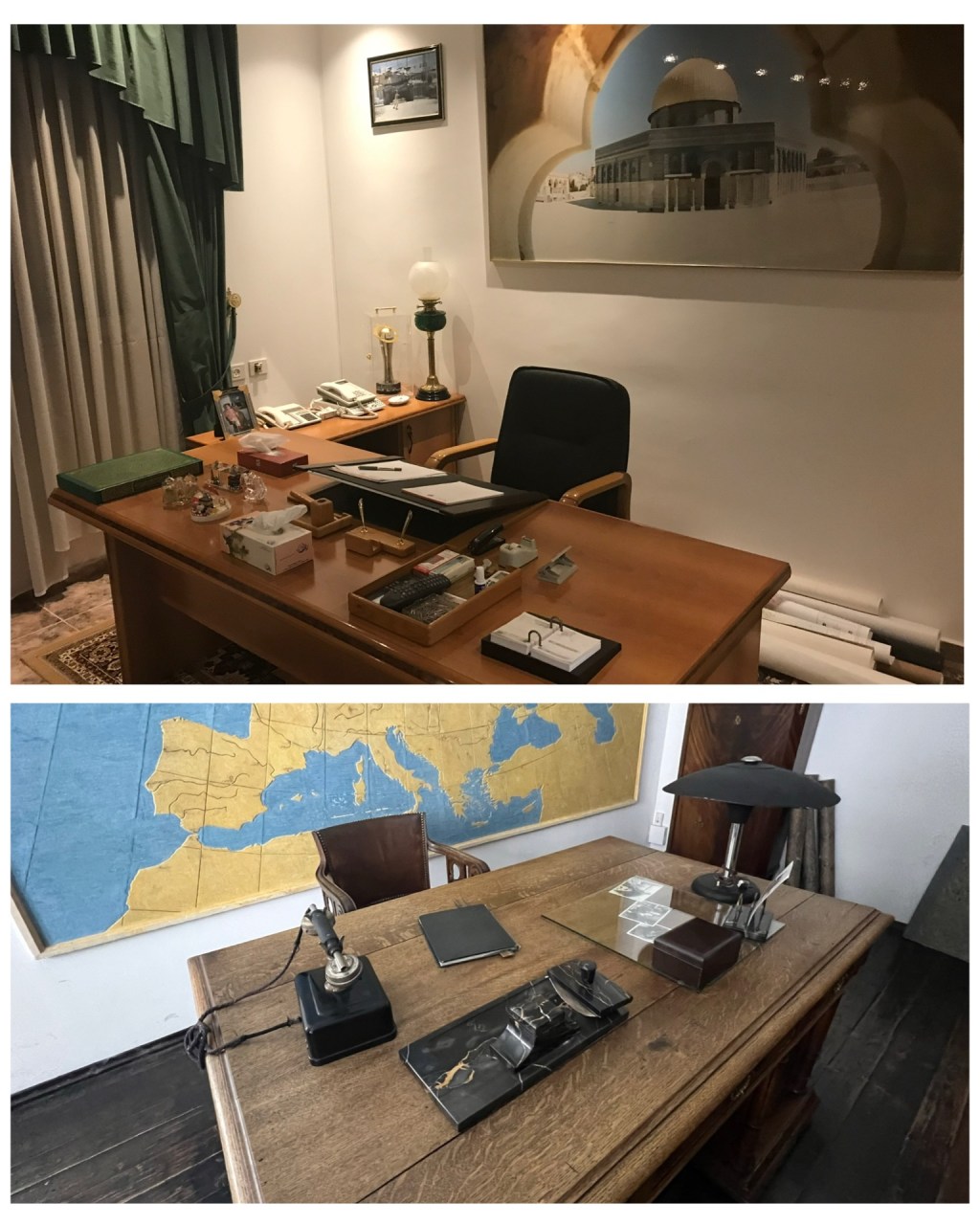
Visiting the sites where historical events unfolded—even mundane artifacts like an office—make history tangible and relatable.
Two of my memorable office visits include the preserved offices of Yasser Arafat in Ramallah, Palestine and Oskar Schindler in Krakow, Poland.
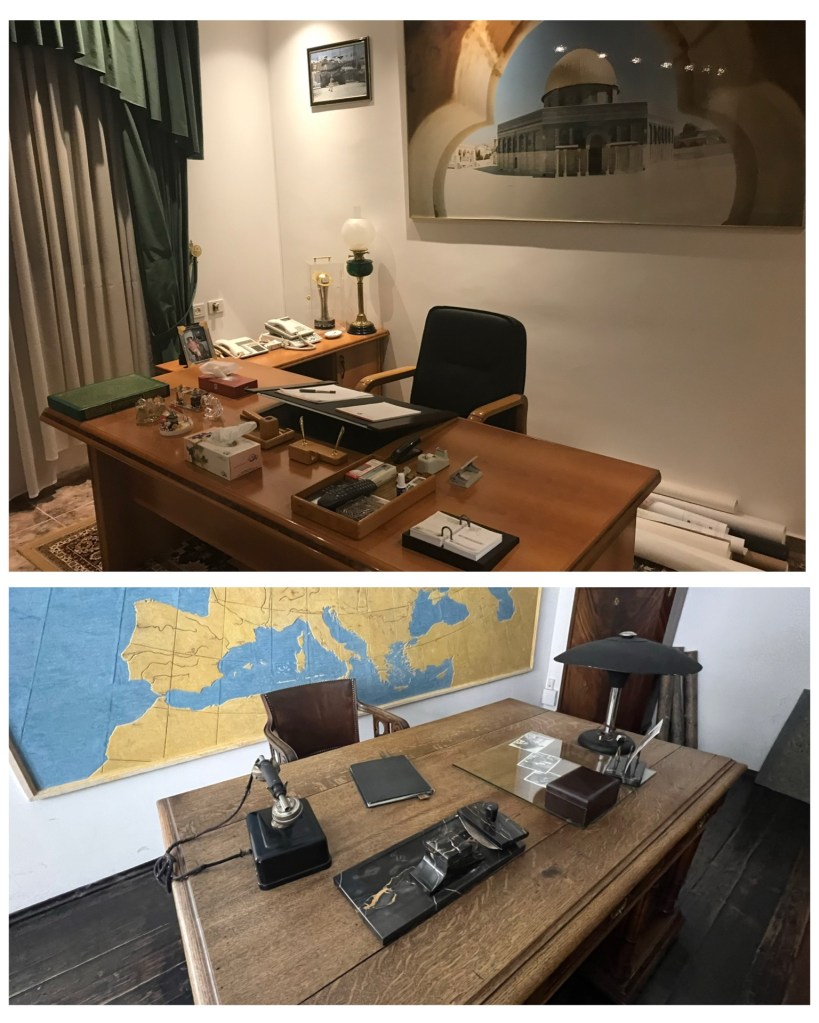
While both of those were personal and meaningful, they pale in comparison to the most impactful office I have ever visited – specifically the small office of an assistant at the United Nations compound in Srebrenica, Bosnia and Herzegovina.
The Destruction of Muqata’a (Arafat’s compound / tomb).
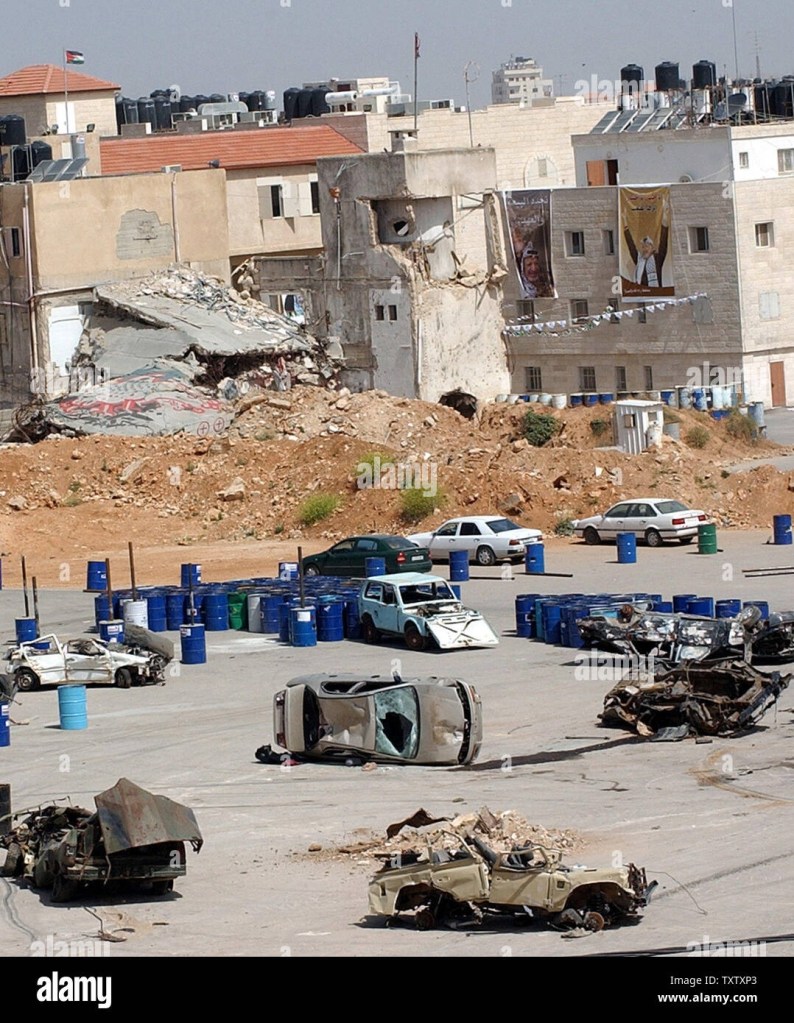
Israel has maintained control over Ramallah since its occupation of the West Bank in 1967. The compound that housed Yasser Arafat was known as the Muqata’a.
In Arafat’s later years, particularly from 2002 to 2003, this control escalated from constant surveillance into a full military siege. During this period, Israeli forces repeatedly attacked the compound, destroying most of its buildings, forcing Arafat to live and work in makeshift rooms alongside his security personnel.
Arafat became ill in 2003 and was transported to Paris, France where he died the following year of a stroke. The underlying cause of that stroke remains disputed. In 2013, nine years after his death, his body was exhumed to determine if he was poisoned.
A Swiss forensic team found levels of polonium in Arafat’s ribs and pelvis 18 times higher than normal, and believed on a balance of probabilities that polonium poisoning had occurred. However, French and British medical professionals did not believe there was enough evidence for that conclusion.
Arafat’s death occurred less than a decade after winning the Nobel Peace Prize, shared with Israeli Prime Minister Yitzhak Rabin, who was assassinated by an Israeli extremist for being seen as too generous to the Palestinians while negotiating peace.
The assassination of those who pursue moderate paths to peace must be included when criticizing the forms of Palestinian resistance.
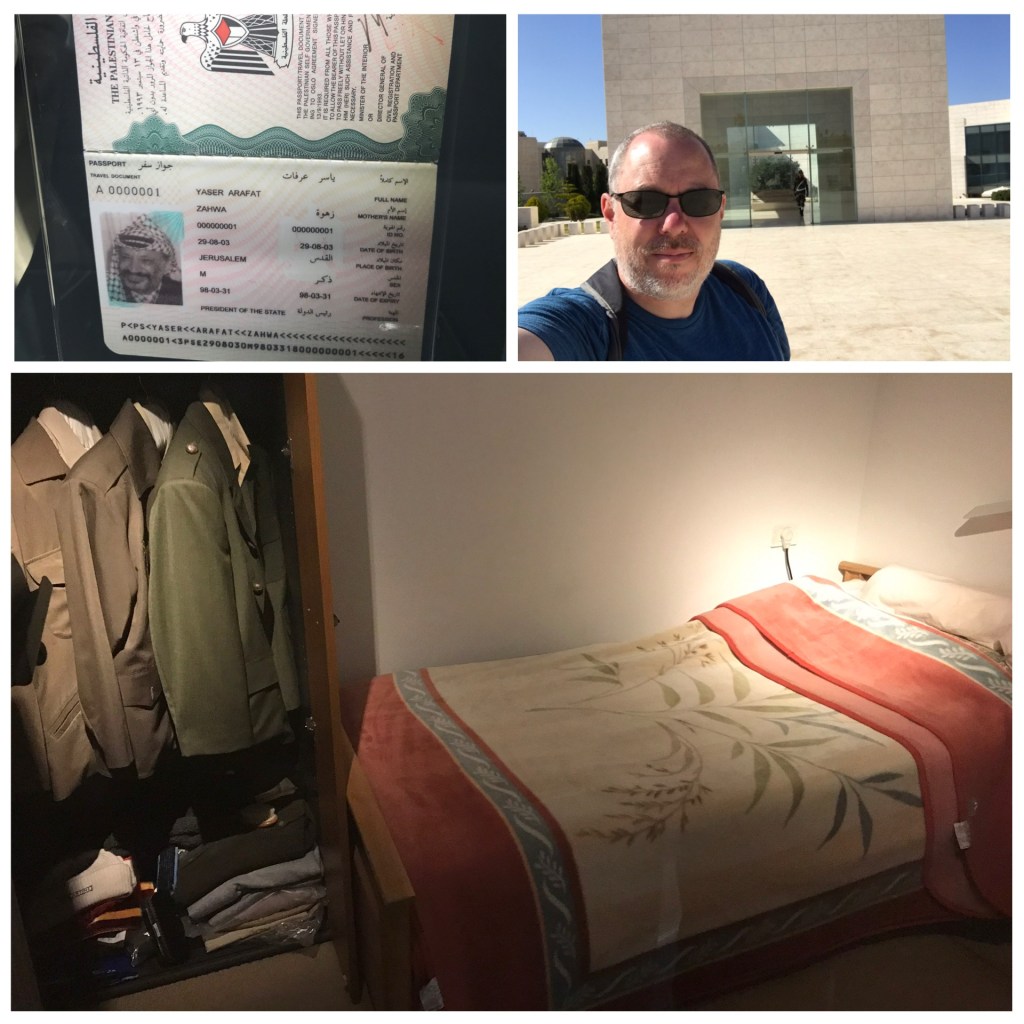
first Palestinian passport,
Arafat’s tomb,
Arafat’s final Palestinian bedroom.
Oskar Schindler’s Enamel Factory
Oskar Schindler is a figure who demonstrates why history cannot be assessed in simple black-and-white terms of absolute good versus absolute evil. It’s more appropriate to compare one’s actions against the society and time in which they took place.
A savvy businessman and a member of the Nazi Party, Schindler made decisions that both profited from genocide and, at the same time, shielded more than 1,000 Jewish employees from deportation to concentration and death camps.
A cynic might argue that he was merely a war profiteer who protected his workers out of self-interest rather than concern for their Jewish identity, but the hard reality is that his moral contradictions stand in stark contrast to countless other businessmen who profited under the same system without saving anyone at all.
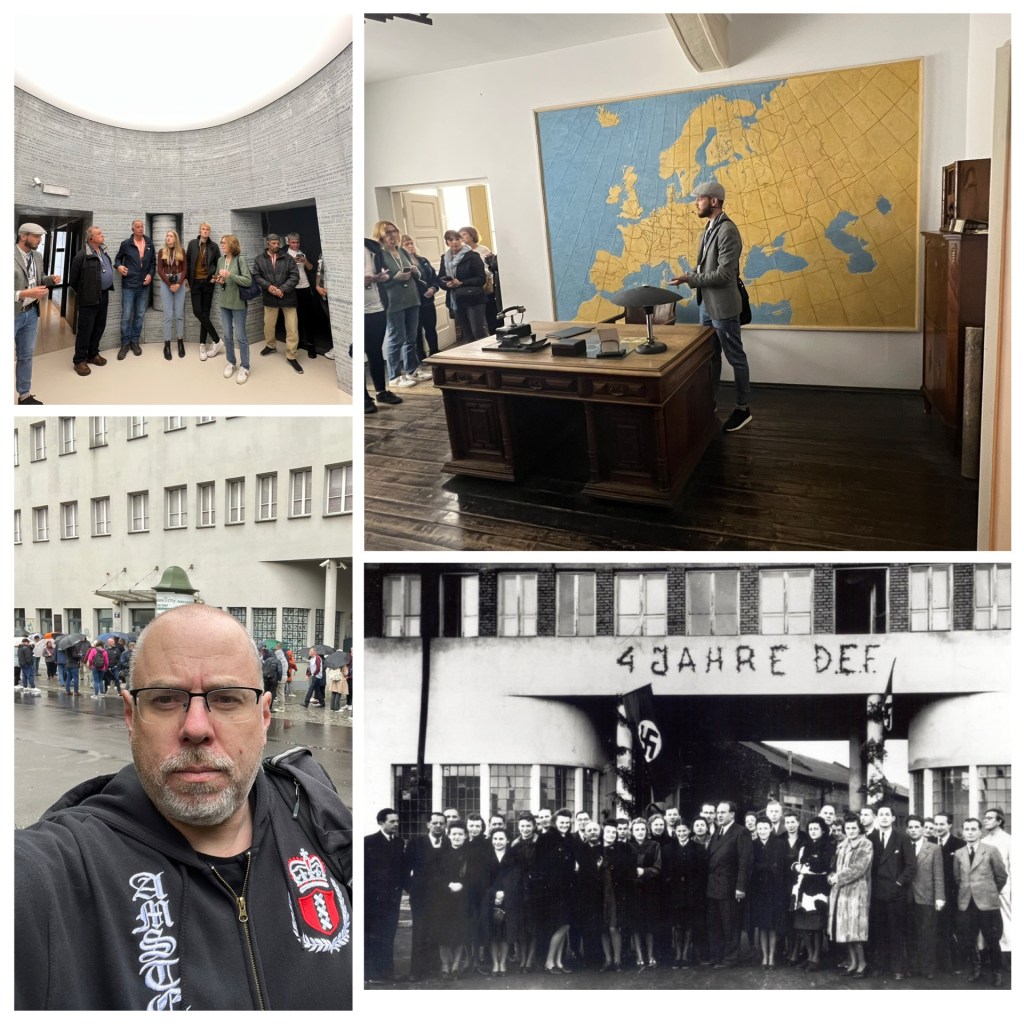
Hall of Reflection,
Schindler’s original desk;
Jewish employees and
selfie in front of factory.
The original factory, now a museum tells the story of the Krakow Jewish community in a powerful way. The first walls of the museum showcase a vibrant summer for the Jewish community, in the heat of August 1939. Countless photos of people swimming, reading, being in love, and soaking up holidays in and around Krakow immediately humanize a typical community.
The innocent days of that summer quickly fade in the remainder of the museum which focuses on the lives destroyed after the Nazis invaded Poland a month later in September.
The Nazis forced Kraków’s Jewish families from their homes in huge numbers, relocating them to a ghetto near Schindler’s factory. The ghetto was eventually liquidated through deportations to concentration camps, including Auschwitz—except for the more than 1,000 Jewish workers Schindler protected until the end of the war.
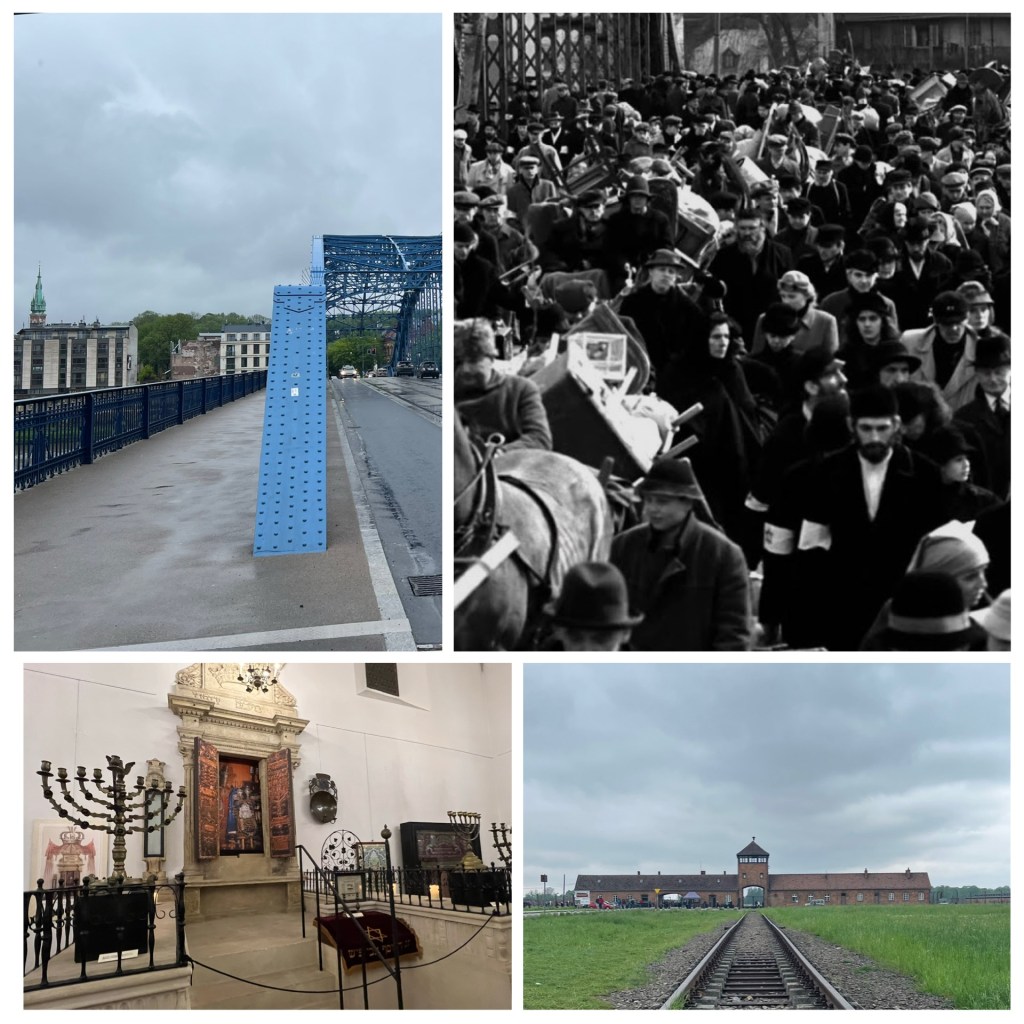
Schindler’s List – Jews forced over bridge to ghetto; Kraków’s Old Synagogue (est. 1407);
Birkenau death camp.
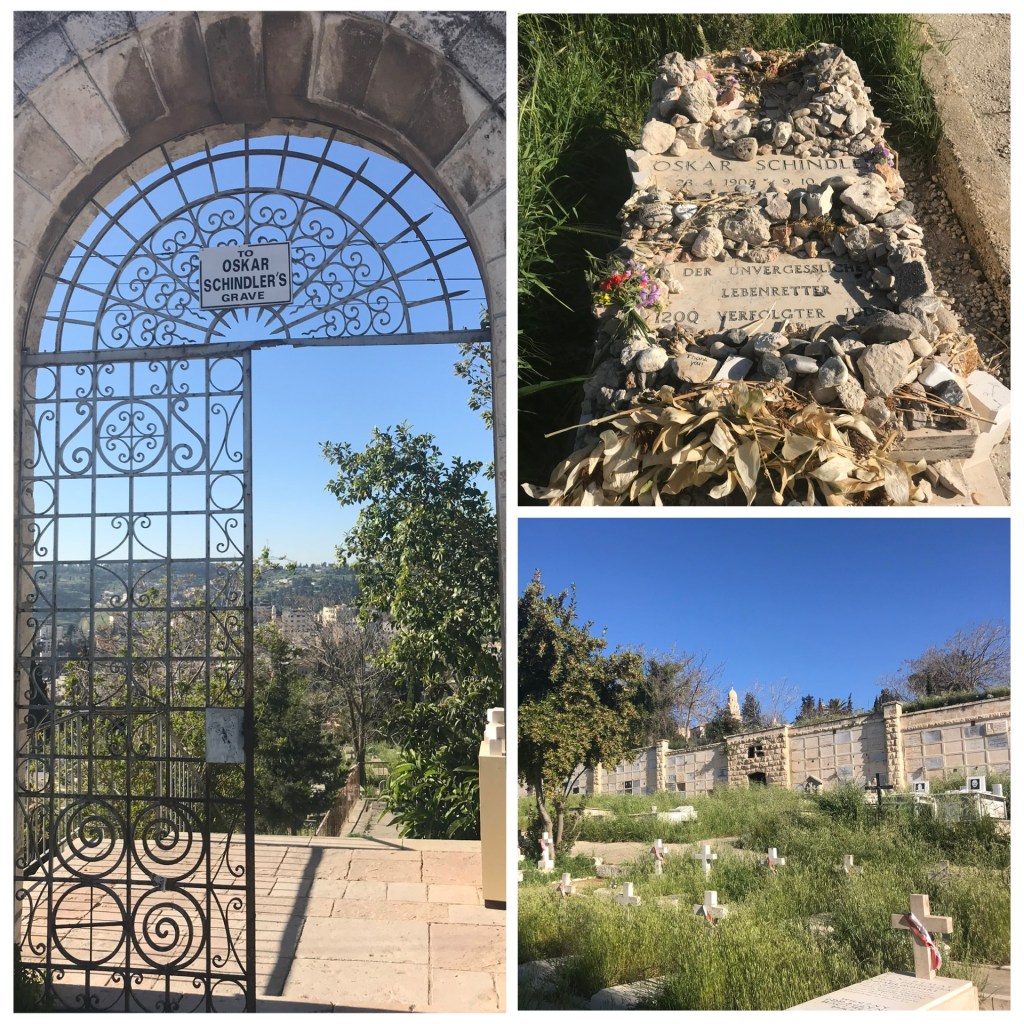
Beware the Bureaucrat’s Desk
Failures of the United Nations
The horrors of the Holocaust—and more broadly the Second World War—produced what was meant to be history’s ultimate lesson. From as early as primary school, we were taught to say “Never Again,” in honour of the millions upon millions of Jewish Europeans, soldiers, and countless civilians killed. It was supposed to be a lesson to save future humanity.
That lesson led to the creation of international institutions, most notably the United Nations in 1945. The UN’s core mission was to prevent war, maintain peace and security, foster friendly relations among nations, solve global problems, and protect human rights.
Yet my teenage years would witness the United Nations fail spectacularly twice in consecutive years: first in Africa during the 1994 genocide of the Tutsis in Rwanda, and then in Europe in 1995 with the genocide of Bosniaks in Bosnia and Herzegovina.
In both cases, the UN had troops on the ground before, during, and after the genocide. In both cases, the UN stood by as thousands were slaughtered.
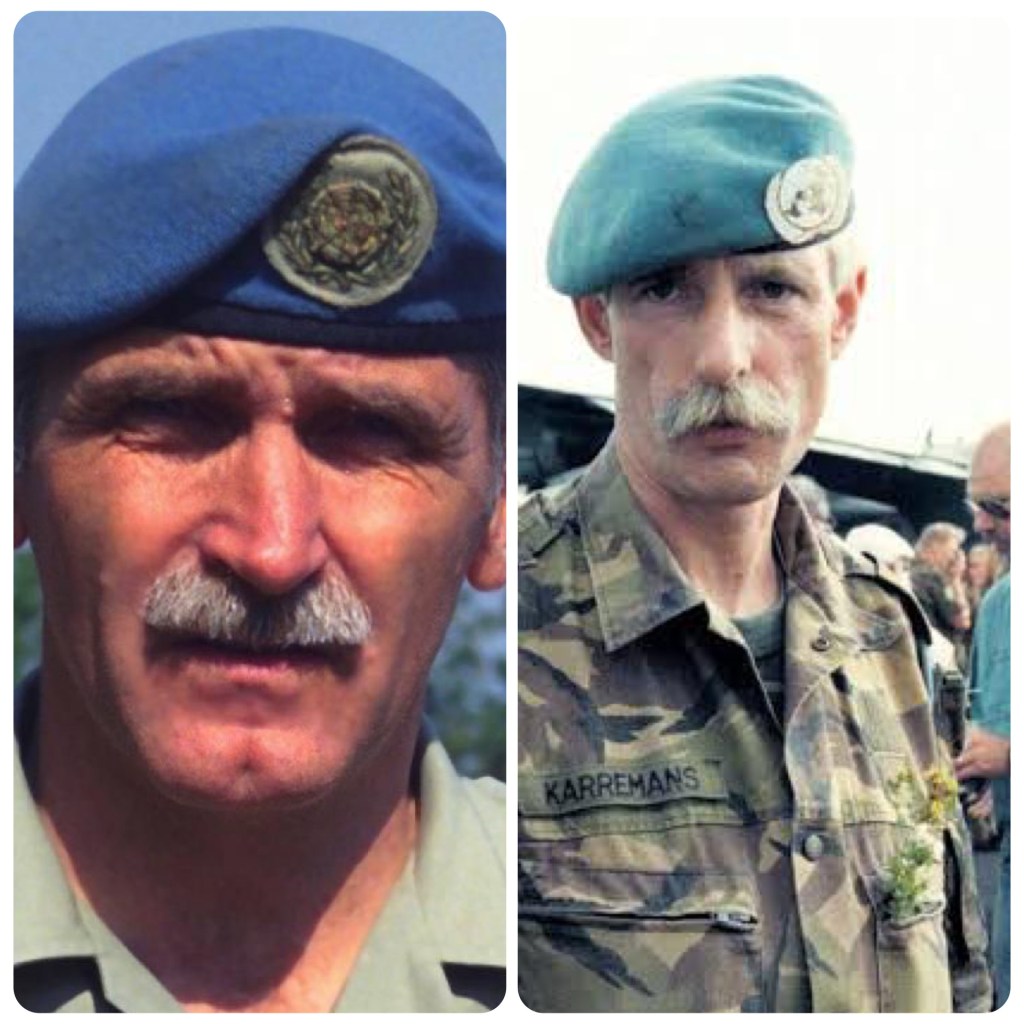
Right: Dutch Lieutenant-Colonel Thom Karremans (Bosnia)
Those failures were largely the result of political and bureaucratic constraints placed on UN missions, rather than the conduct of peacekeeping personnel themselves—though the Dutch Supreme Court later ruled the Netherlands partially liable (approximately 10%) for the actions of Dutch troops who expelled around 350 Bosniaks from the Srebrenica compound, leading to their near-immediate deaths.
In both genocides, military commanders on the ground—Canadian in Rwanda and Dutch in Bosnia—repeatedly requested additional support and authorization to intervene, and were denied. Their mandates limited them to monitoring fragile peace agreements, not actively preventing violence.
These failures destroyed many lives including UN troops who’ve lived with post-traumatic health issues their entire lives.
The Town of Srebrenica, Bosnia
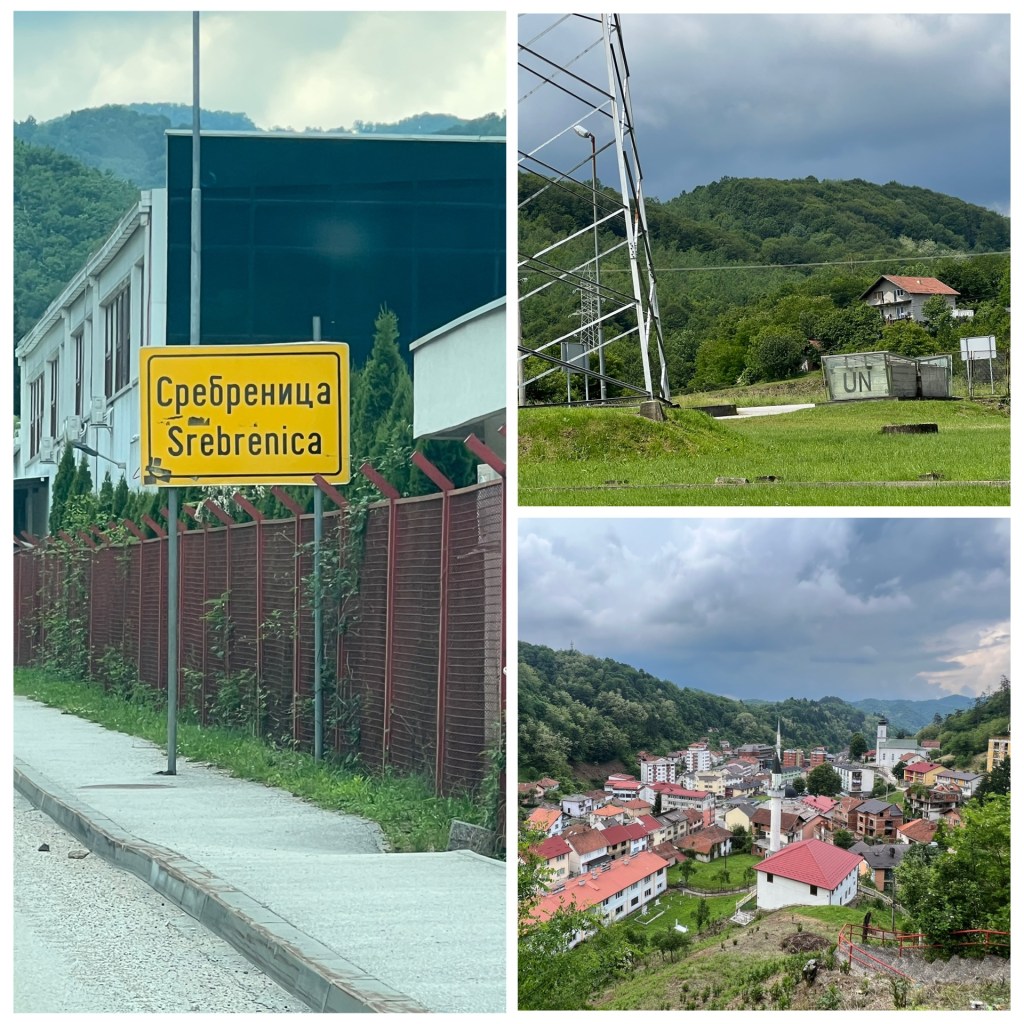
The road into Srebrenica — winds through green hills and tight valleys.
To reach the town you’re reminded of the horrors that happened. Serb Nationalist communities continue to commemorate men – some of which were found guilty of war crimes.
You then drive past the Kravica agricultural cooperative warehouse, where over 1,300 Bosniak men and boys were executed by grenade and those still moving by gun in July 1995.
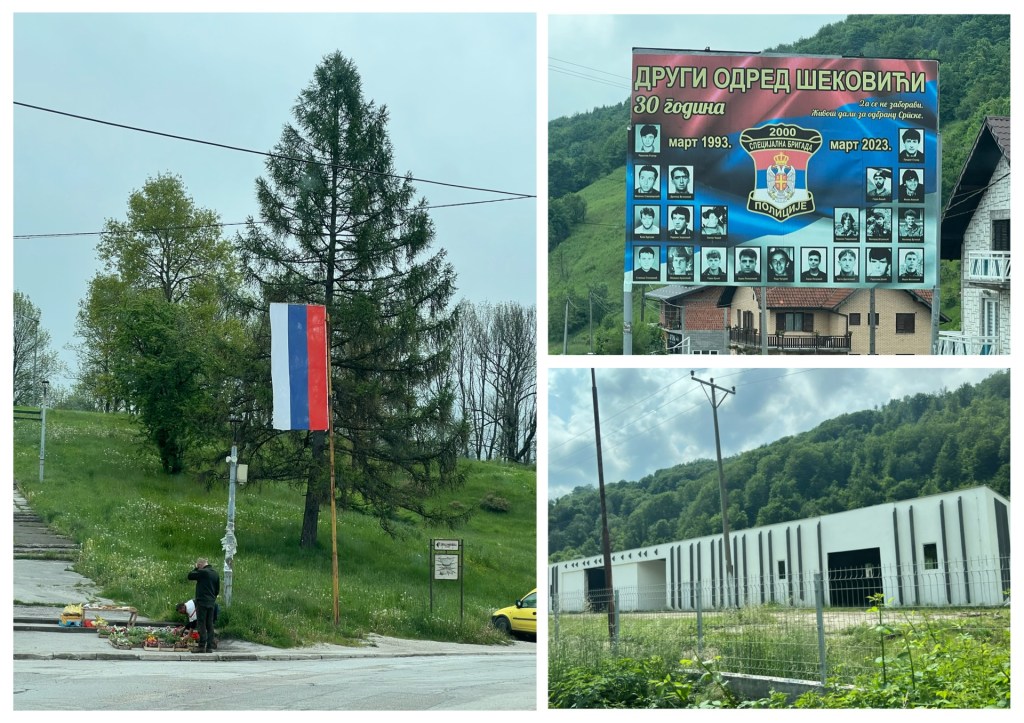
The warehouse used to hold and then execute
This all occurred following the collapse of the former Yugoslavia into ethnic, political, and military chaos.
Refusing to accept Bosnia and Herzegovina as a new sovereign state, Serbian Nationalists- who viewed Bosniaks (Muslims) as inferior remnants of Ottoman rule – led a campaign of ethnic cleansing to remove them from eastern Bosnia.
These Nationalists controlled much of the Yugoslav People’s Army’s equipment and infrastructure, and they immediately formed the Army of Republika Srpska with those resources.
The United Nations were present because of this. Srebrenica was designated as a UN “Safe Area.” This allowed international actors to appear engaged without committing to meaningful intervention.
Unsurprisingly, thousands of Bosniaks fled to the town to protect themselves and their families. Bosniaks entering the safe area were required to disarm.
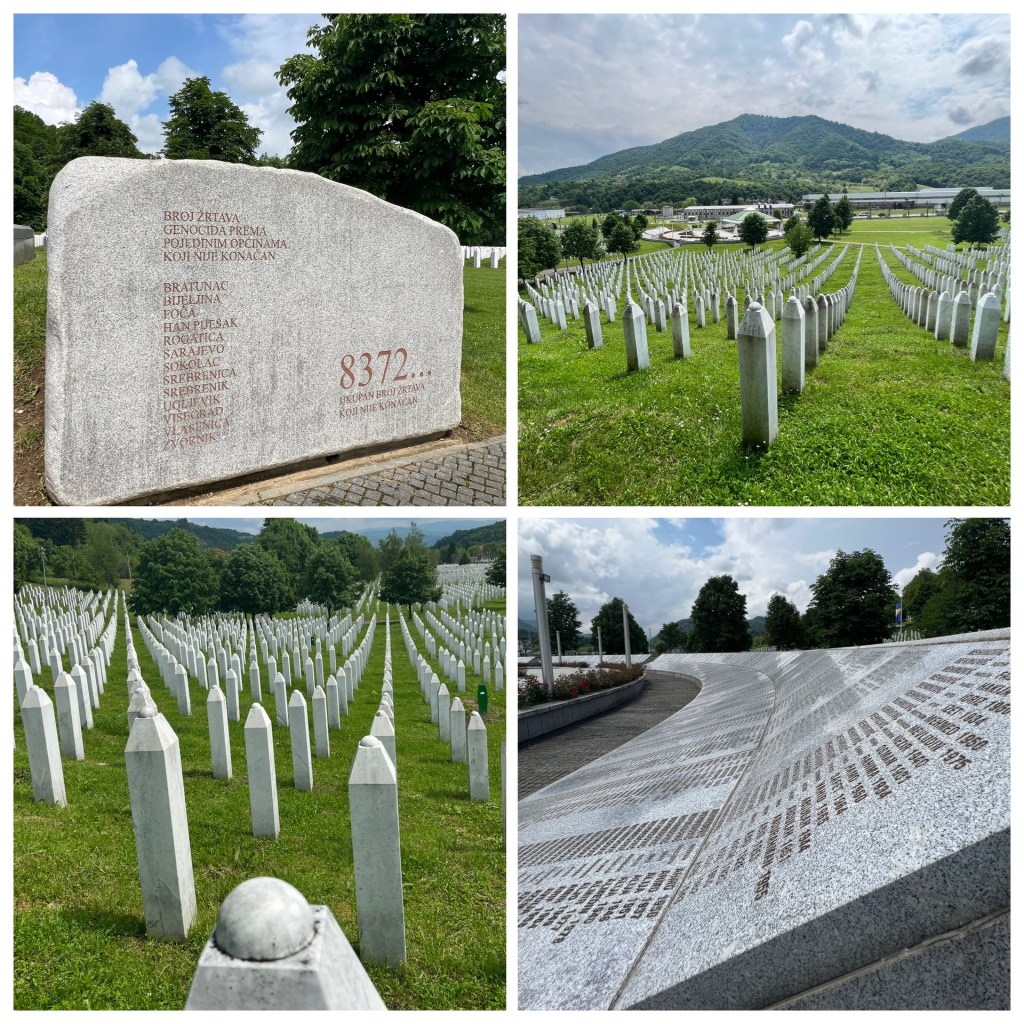
This left a lightly defended town surrounded by a well-armed Serb force, enabling the systematic kidnapping and killing of over 8,000 men and boys with little resistance.
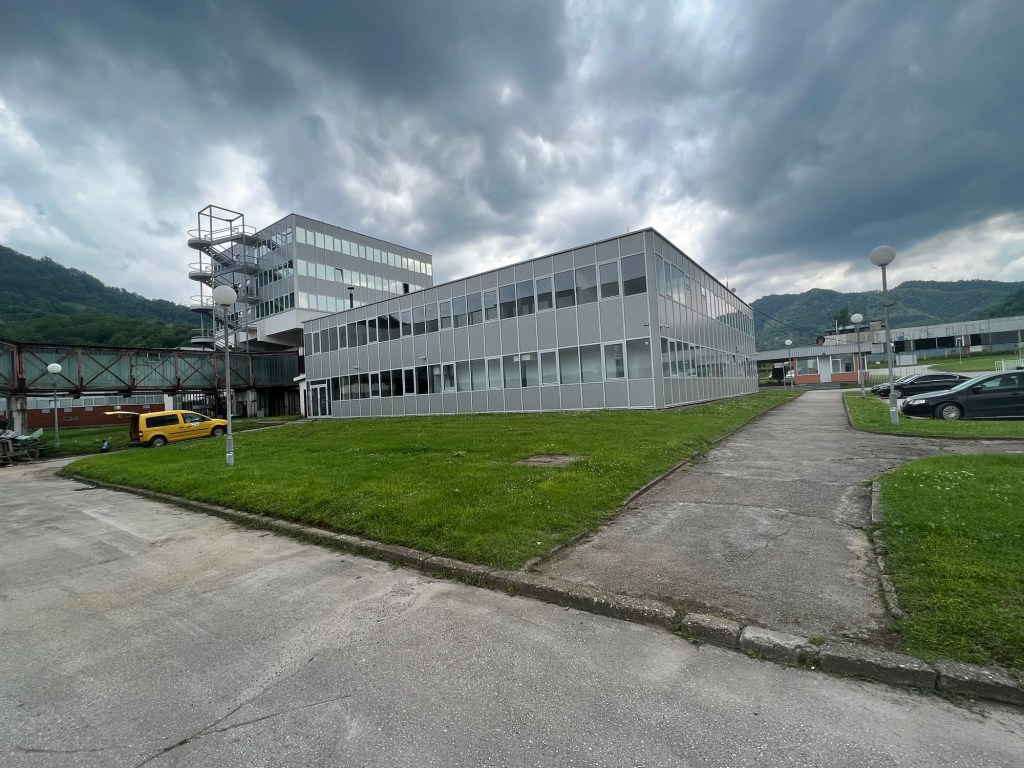
How could this have happened in the presence of the UN?
The peacekeeping mandate itself prohibited UN troops from using force except in their own self-defence, effectively preventing intervention.
Inside the UN compound is the operations room linking the base to the UN and NATO chain of command.
That room is left untouched. An IBM computer. A keyboard aligned carefully with the desk’s edge. Locked media drives. Behind it, maps pinned under plastic — borders preserved even when people were not.
This was the desk of an assistant. It was from this desk that Dutch Lieutenant-Colonel Thom Karremans sent communications begging for help and where he received official refusal to those requests.

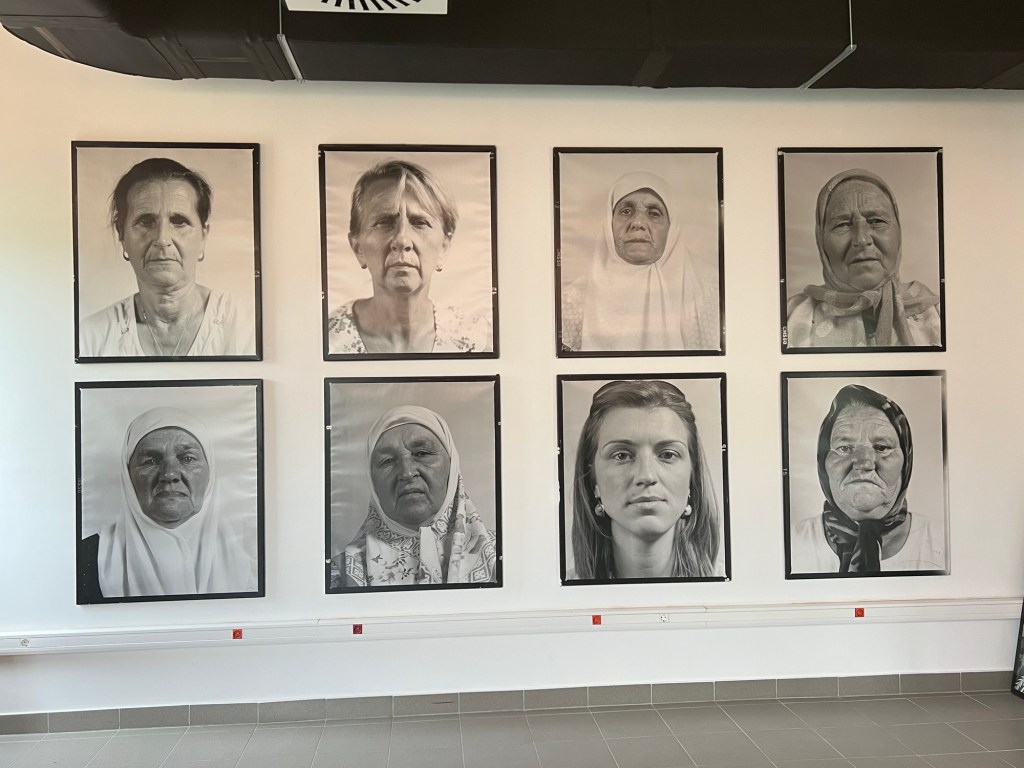
Upon leaving the preserved UN offices, you are presented with the faces of some of the Bosnian women who lost all male members of their family – husbands, fathers, sons, uncles, friends.
And upon exiting the UN compound, I faced one of the largest gravesites I’ve ever seen. The resting place that houses the remains of those men and boys killed over a few days. The place where every year they find more bodies to add.
The majority of the western world is appropriately giving credit to Prime Minister Carney’s powerful speech.
Carney quoted Czech dissident Vaclav Havel and the reality that, “the system’s power comes not from its truth but from everyone’s willingness to perform as if it were true.”
The description used was that of shop keepers making peace by having signs in their window promoting the system they lived in. The system falls apart once one shop keeper removes their sign.
Carney’s powerful speech has carried Canadian patriotism to a level I haven’t seen before. However, it demonstrates the privileged position Canada has had relative to other nations across the globe.
As Romeo Dallaire, the Canadian lieutenant-general, who has spent much of his life trying to come to terms with what he witnessed in Rwanda, says in his book, The Peace:
Many tried to attribute the Holocaust to some sort of collective insanity. The genocide convention arose out of shared horror at the enormity of what the Nazis had done. The mantra, “never again,” signified the world’s determination to prevent it from happening again. We have failed.
Cambodia, Burundi, Yugoslavia, Ethiopia, China and of course Rwanda drive that failure home.
Let’s be honest. The sign was never in the window for much of the world.


Leave a comment