As I approach 50, I’ve started reflecting on how well people really know me—what drives me, what breaks me. Mental health is a big part of that story, but this isn’t that post. This one is about a key factor that has impacted by mental health as it is a major part of my life: equality and justice, and more specifically, Palestine.
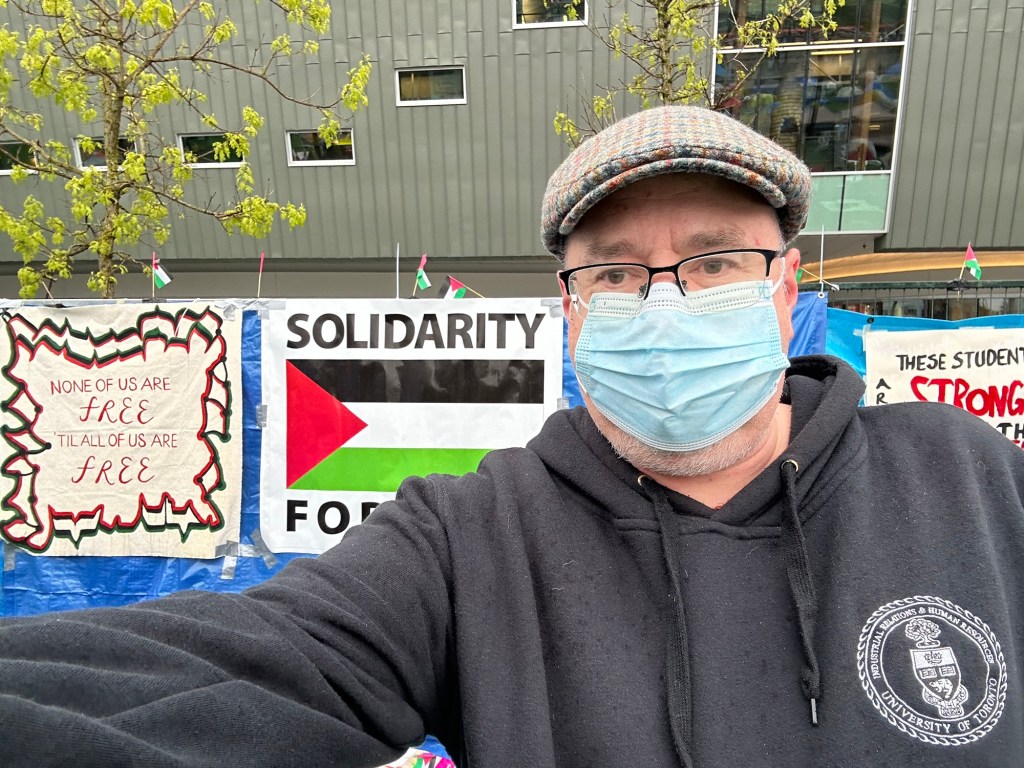
Yes, it’s true—my life is deeply shaped by the suffering of Palestinians. I see my own parents, children, friends, and sibling in their faces. My time, energy, donations, books, films, music, art, food, and activism all center around this cause. I attempt (poorly) to cook Mushakhan (roasted sumac chicken), I subscribe to Watermelon Pictures to stream Palestinian films, I do my best to attend at least one protest per month, even though it pushes me really far outside comfort and drains me with anxiety. Palestine isn’t just a cause to me—it’s personal.
Some say this level of focus is unhealthy. Some worry I’ll lose my job. Some University friends won’t talk to me. Others assume I’ve converted to Islam, as if religion—not human rights—is what motivates me (I’m still not religious). I can live with all of that.
What I struggle with is the accusation that this passion makes me antisemitic. I regularly cycle through emotions of fear (job loss) and anger (the holocaust is why I support human rights). However, I cannot let those emotions derail support for Palestine at all costs.
Modern legal definitions, like those adopted by our provincial and federal governments, include many things as antisemitic: calling Israel a racist state, holding it to a different standard, or comparing its policies to Nazi Germany. According to these definitions, much of what I say and believe qualifies as antisemitism. And it is Orwellian insanity that these are considered antisemitic.
Palestinians—Christian, Muslim, secular—deserve the same rights as anyone else, including Jews who’ve immigrated from abroad. It’s absurd to say it’s antisemitism to say what is objectively true…Israel’s entire legal system is racist. Palestinians in the West Bank are impressioned for years without charge while illegal settlers get due process (if they get punishment at all). I could write an entire essay on the racist apartheid system.
Gaza, under siege and deprived of basic needs, is a concentration camp, the same as any Nazi camp. The only difference is the ethnicity of the people doing the oppressing and those being oppressed. Why would anyone be prevented from using objective comparisons?
Finally, boycotting the country of my choice (and asking others to do the same) is a democratic right of free speech protected by the Charter and provincial human rights legislation. The craziness to make it legally wrong to criticize a foreign country (Israel) while allowing citizens of Canada to say whatever we want about our own country.
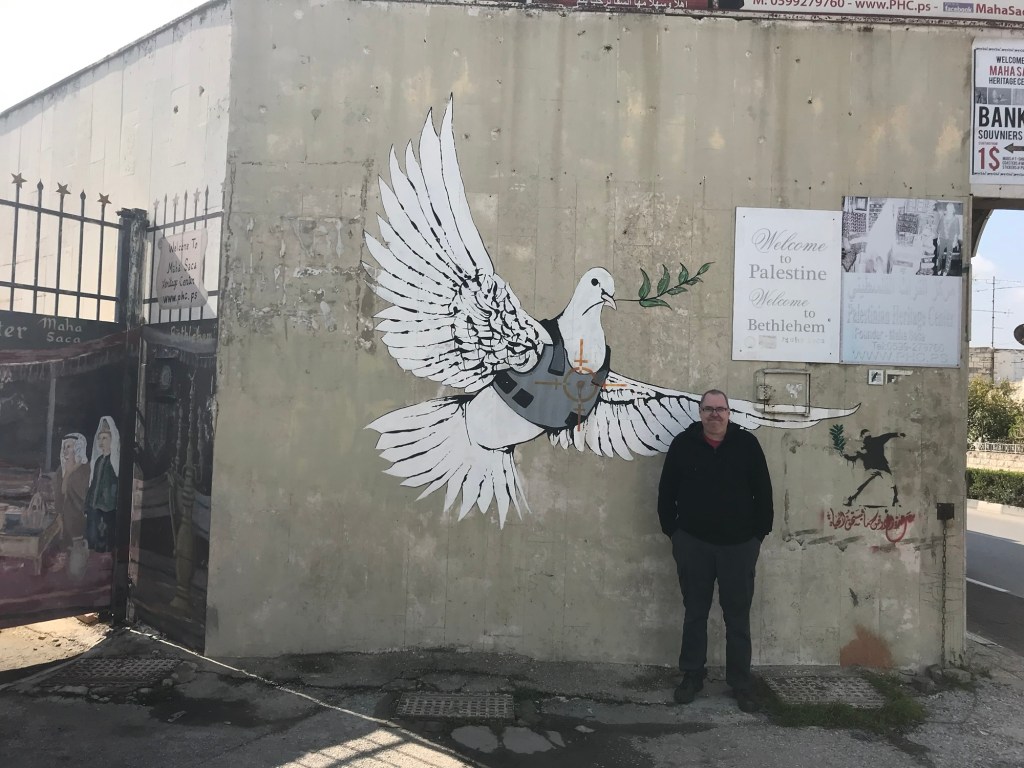
My focus on Palestine doesn’t come from hatred—it comes from history, empathy, and personal conviction. I reject hatred. I reject antisemitism (treating people differently because they are Jewish). I hope the travel choices I make to commemorate mass suffering demonstrates those values. But I also reject the idea that calling for Palestinian rights is inherently antisemitic.
In a future post I will explain why my history, empathy and personal conviction focuses so much on Palestinian* suffering.
*Palestinians are also Semitic.
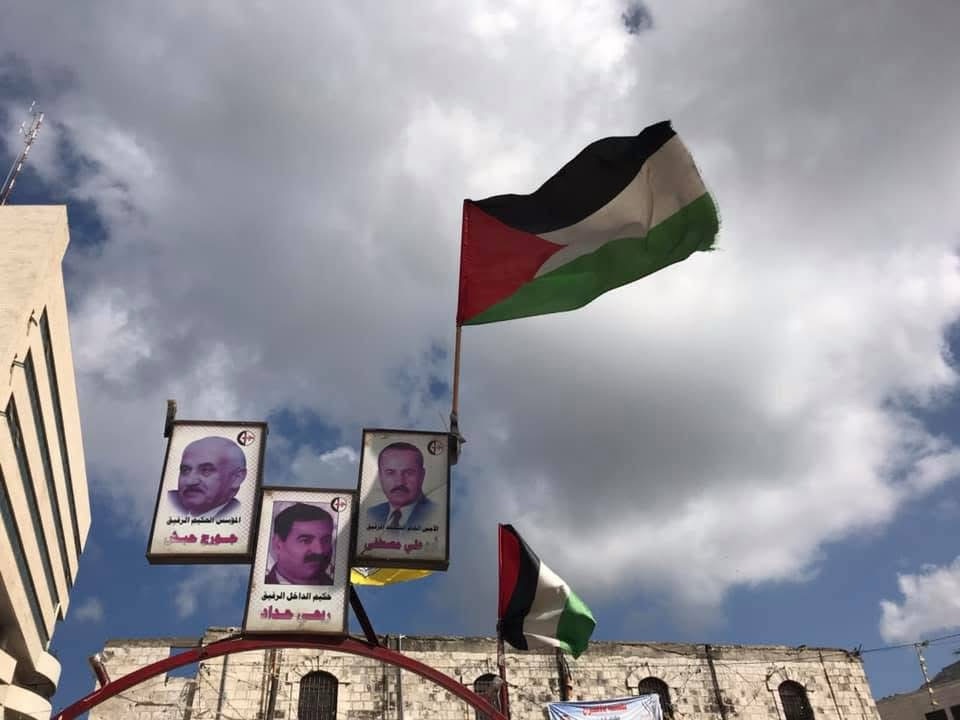
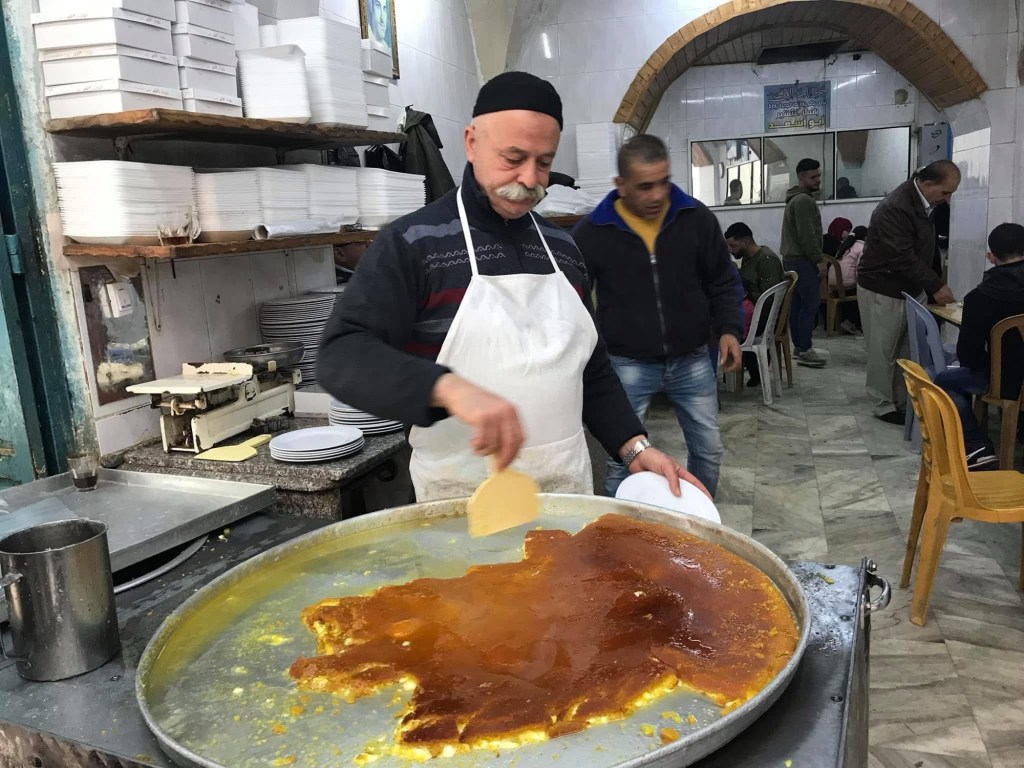

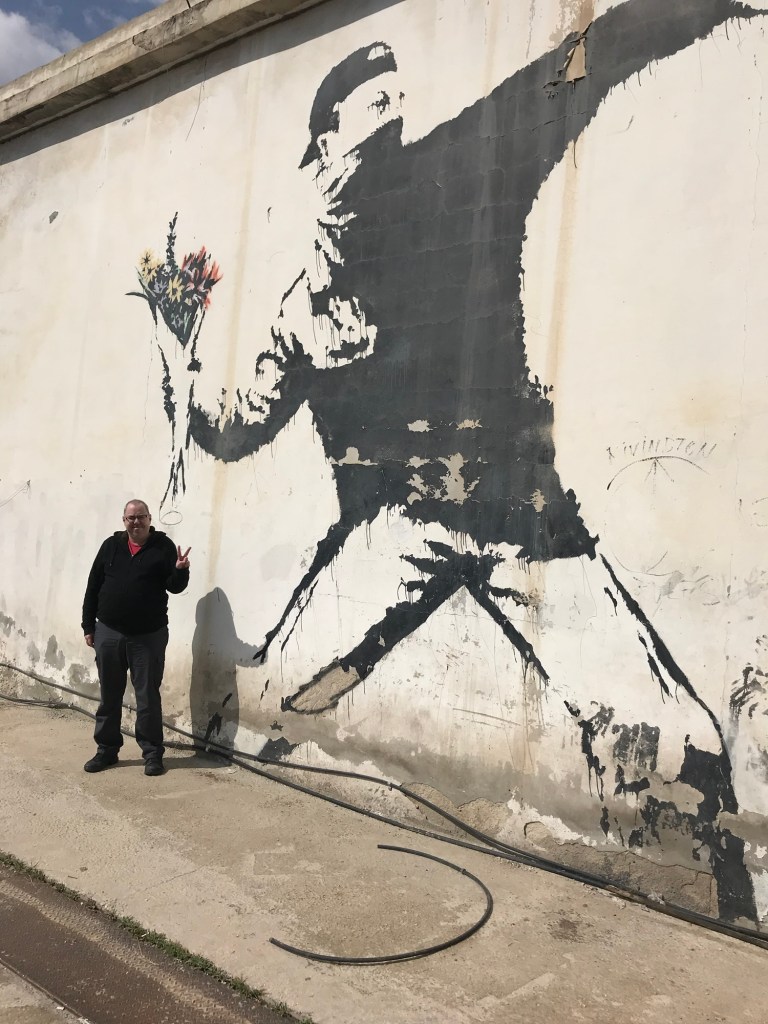
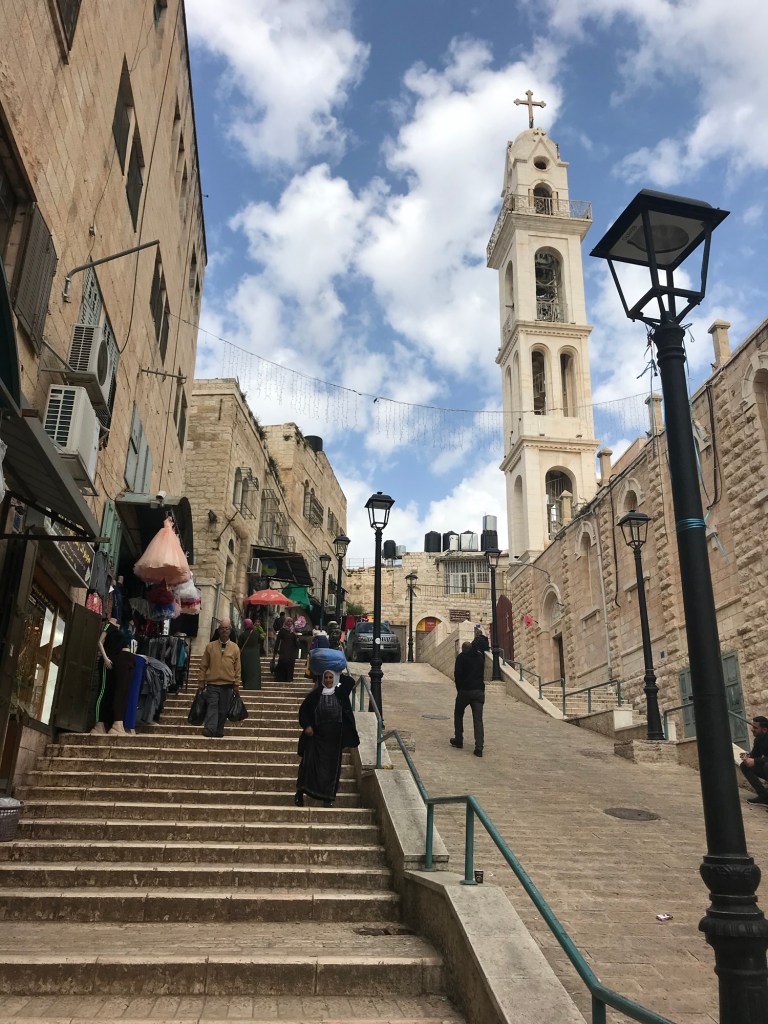
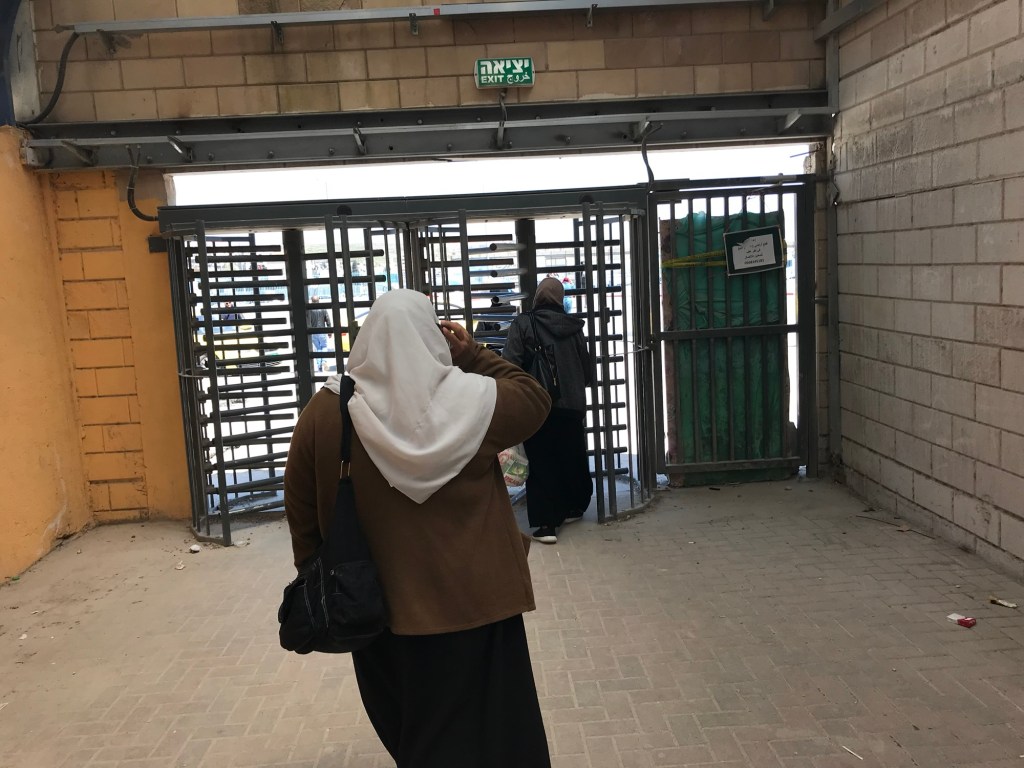
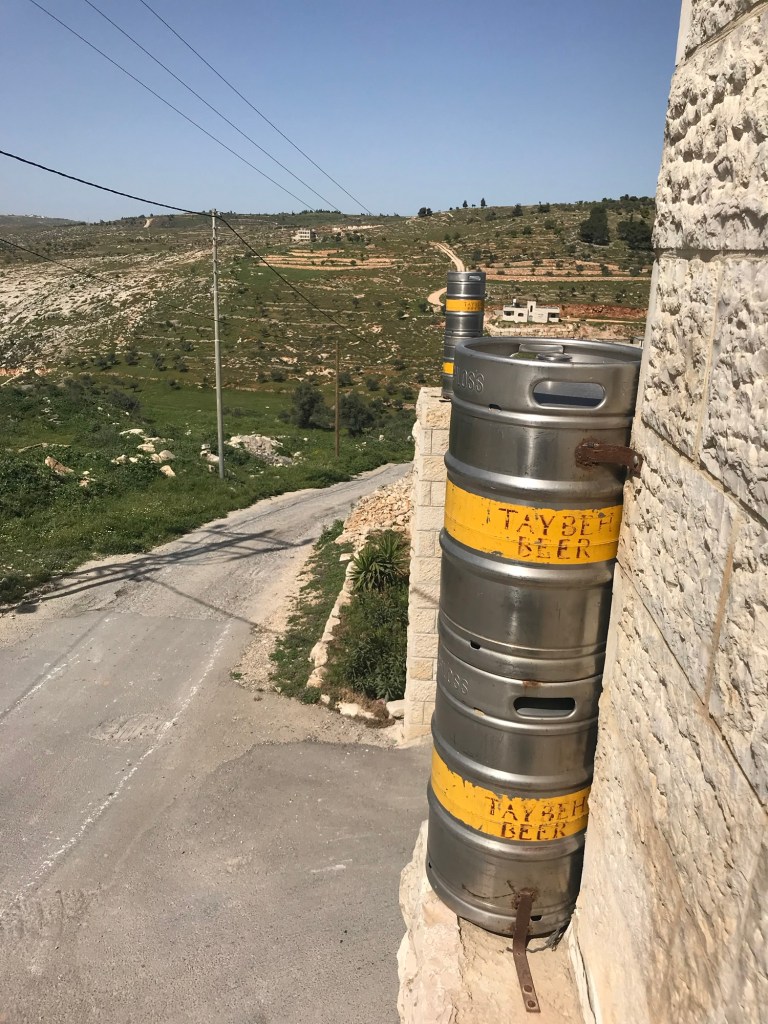

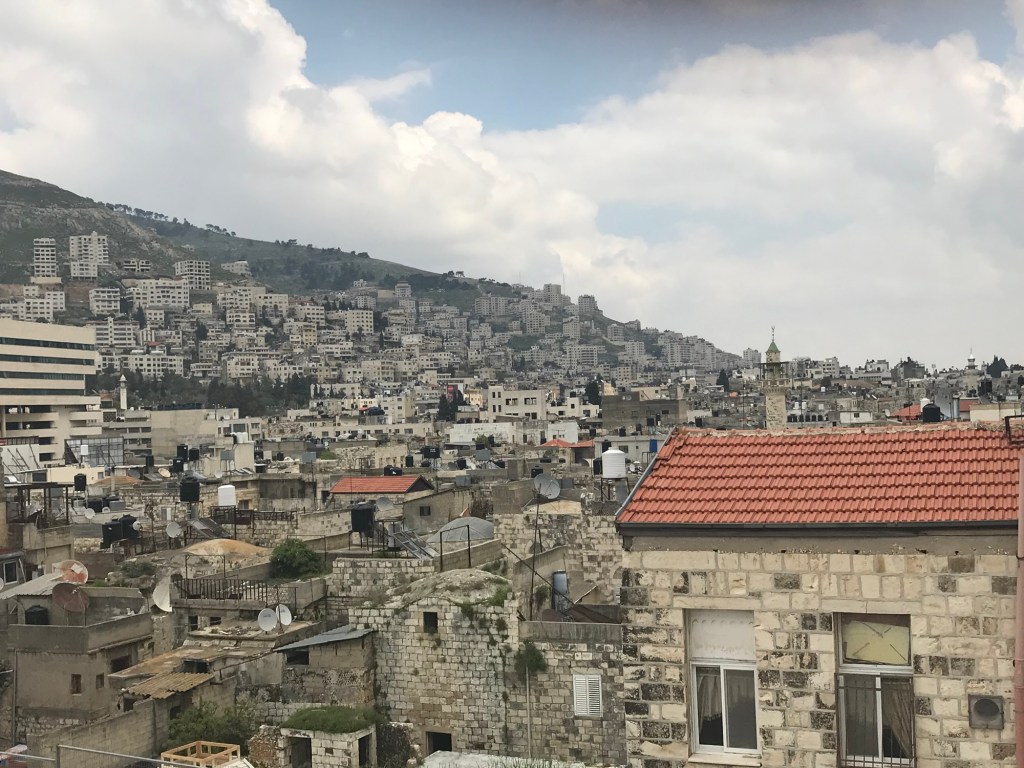
Nablus


Leave a comment