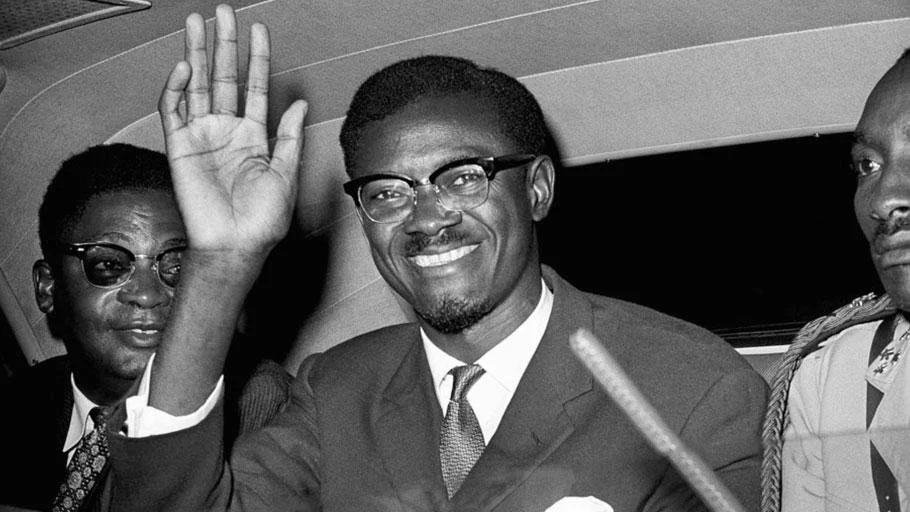
Louis Armstrong’s unwitting participation in the Assassination of an African Prime Minister.
When I was a kid, documentaries were a form of entertainment I’d avoid at all costs — slow, serious, and guaranteed to elicit a nap. Somewhere along the line, that flipped completely. Now I rarely watch anything but documentaries.
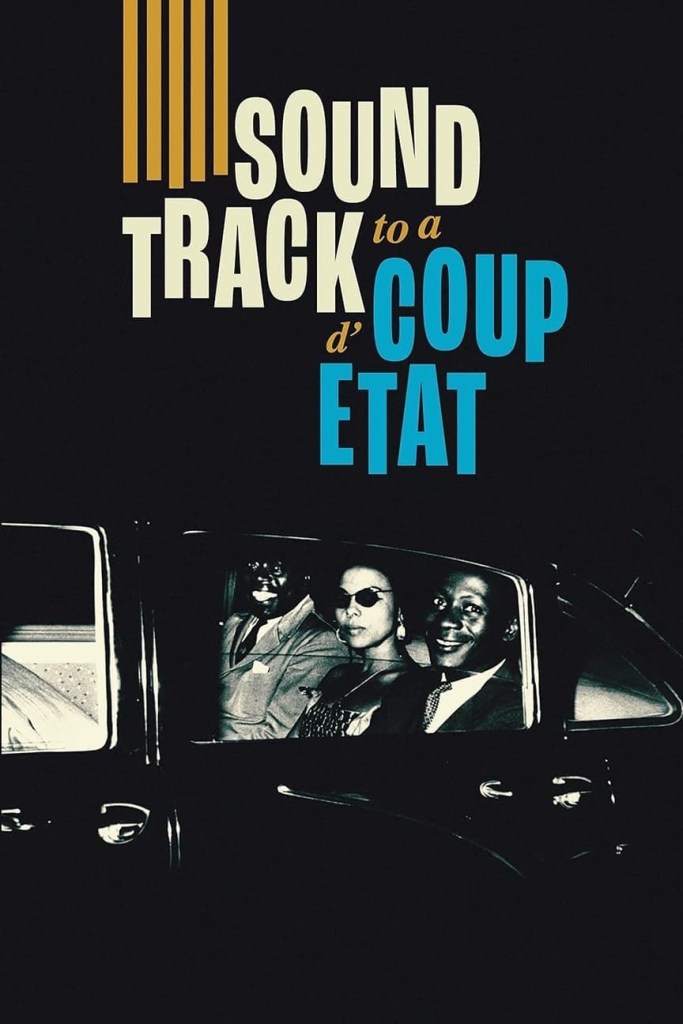
At the 97th Academy Awards three of the five nominees for Best Documentary Feature — No Other Land (Palestine), Sugarcane (Canada), and The Soundtrack to a Coup d’État (Belgium)— confronted the lingering ghosts of colonialism. No Other Land was timely by exposing ongoing colonialism under the Israeli occupation and theft of land in the West Bank while the world watched live streams of mass slaughter in Gaza. Sugarcane tells the story of the ongoing trauma of residential schools and the erasure of people indigenous to the Americas.
The Soundtrack to a Coup d’État quietly slipped beneath the headlines — a film told not through protest footage or archives, but through the pulse of Jazz and an American vs Soviet proxy war.
An “independent”Congo?
History books will tell you that the Democratic Republic of Congo won independence from Belgium in early 1960. The documentary covers the months before and after independence. That independence was always questionable.
It’s impossible to discuss the Congo’s geopolitical situation without reference to its vast mineral wealth. The Second World War’s grand finale – the weapons of mass destruction used in the bombing of Hiroshima and Nagasaki – required Congolese uranium deposits.
Belgium business interests ensured that the newly independent nation’s wealth — particularly its vast mineral reserves — remained in private hands. Just days before independence, the Belgian parliament rushed through legislation that effectively locked Congo’s mineral wealth under foreign control. The new laws transferred ownership of key mining interests from state to private Belgian shareholders. By doing so, Belgium insulated its corporations from the political uncertainty of a free Congo while ensuring that the country’s richest resources would continue to benefit Brussels rather than Kinshasa.
The powerful Union Minière du Haut-Katanga, a Belgian mining conglomerate, continued to dominate the extraction of copper, cobalt, and uranium, maintaining a financial stranglehold long after the colonial administration had departed. Independence, as the film suggests, was more symbolic than sovereign — a shift in political formality rather than economic freedom.
Prelude to an assassination
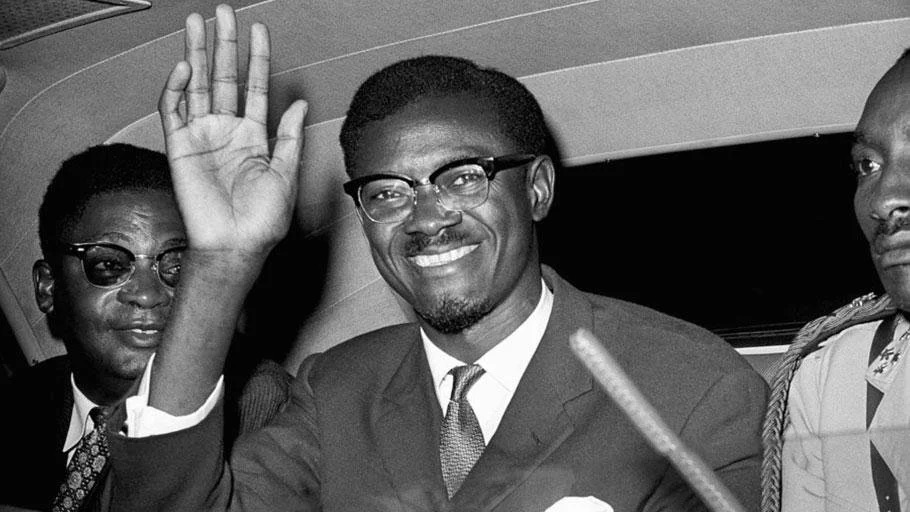
The newly formed Democratic Republic of the Congo was led by Patrice Lumumba, an African nationalist who played a pivotal role in transforming Belgium’s colony into an independent republic. Yet his tenure as the nation’s first prime minister lasted only 73 days.
Lumumba, sought to nationalize resources and unify a country already fractured by colonial borders and outside manipulation. His nationalist message terrified Western powers during the Cold War — a young, charismatic African leader openly aligning himself with the Soviet bloc and liberation movements elsewhere. He was friends with adversaries, including Fidel Castro, Nikita Khrushchev and Malcolm X.
Intelligence services—including the CIA and MI6—along with hired mercenaries and even the United Nations, circled plans to restore Western control over the new nation.
The new prime minister, Patrice Lumumba, was hailed by his people as the National Hero of the Congo — a symbol of unity, pride, and self-determination. His bold vision to reclaim control of the nation’s resources and his refusal to bend to Western influence made him a lightning rod in the Cold War. Congo quickly became another proxy battlefield between the United States and the Soviet Union.
To Washington, Lumumba’s overtures to Moscow made him dangerous. Within weeks of independence, declassified communications show U.S. officials discussing how he should be “neutralized” — a chilling euphemism repeated throughout the film. Meanwhile, Belgian agents and corporate interests worked hand in hand with Congolese rivals to isolate him politically and physically.
In a surprising display of openness – prominent intelligence figures of the day go on the record disclosing their entire playbooks and involvement in planning and executing his demise.
Daphne Park, (aka as Blonde Ghost) was an MI6 agent who provides a basic rule in removing a threat:
You pit people, very discreetly, against one another. They destroy each other.
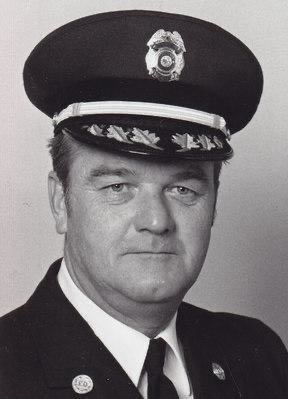
Larry Devlin, CIA Station Chief in Congo describes an influence campaign to remove Lumumba from office when they thought they had the votes.
The night before the vote we counted heads. We had the election. But the following day we only had two (votes).
Devlin is asked if the CIA paid for the votes and he smiles replying:
I’m not going to answer that one. Sorry. No comment. I lost.
The belief that politicians took the money and ran isn’t surprising. However, it spoke directly to Lumumba’s popularity.
The Jazz Connection
The documentary tells its story in a strikingly original way — intercutting scenes of political intrigue with footage of jazz legends at their peak.
During the Cold War, the CIA frequently enlisted internationally acclaimed artists to help win hearts and minds abroad. In one scene, Nikita Khrushchev, during his visit to America, quips that jazz “gives him gas.”
The U.S. State Department’s response was almost junior high. They organized a “goodwill” tour of the Congo featuring leading American jazz musicians — a clever but cynical move that doubled as a Trojan Horse for covert operations. While the music played, U.S. intelligence operatives quietly pursued their own missions under the cover of cultural diplomacy.
Side note: my own immaturity made it impossible to watch the Khrushchev clips without softly singing Elton John’s, “Oh Nikita, you will never know…”
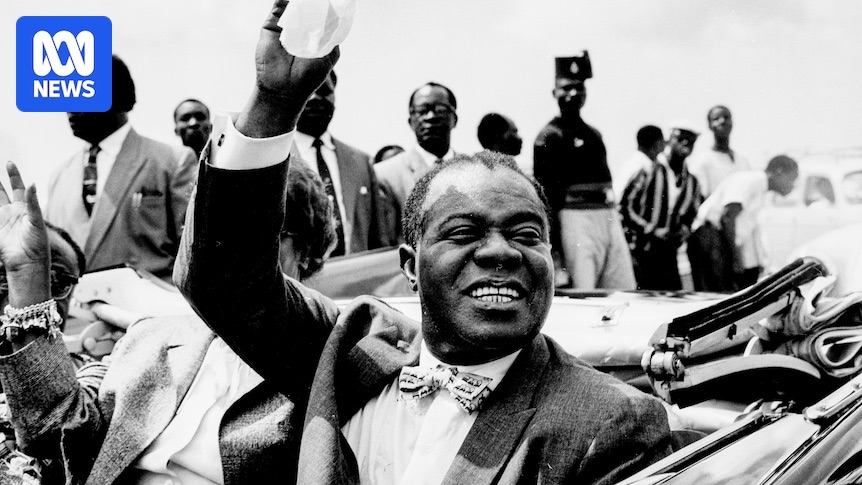
At the centre of it all was Louis Armstrong — perhaps the most famous musician in the world — recruited as the star of the tour. Only later did Armstrong learn that the trip had been a front for U.S. intelligence activity. Furious and humiliated, he openly criticized his government’s manipulation and even considered renouncing his American citizenship.
Cold War Assassination
American ambassador to Congo, William Burden – who had side gigs as the CEO of a mining company in Congo and as a CIA agent – recalls:
“The Belgians were toying with the idea of seeing that Lumumba was assassinated. I went beyond my instructions and said, I don’t think it would be a bad idea either. Lumumba was such a nuisance. It’s perfectly obvious that the way to get rid of him was through political assassination.”
On January 17, 1961, Lumumba and two of his closest allies — Joseph Okito and Maurice Mpolo — were taken into the Katangan bush, lined up against trees, and executed by three firing squads under Belgian supervision. Belgian police commissioner Frans Verscheure allegedly fired Lumumba’s fatal shots himself. To ensure no grave could ever become a rallying point, Belgian officer Gérard Soete dismembered their bodies, dissolved them in sulfuric acid, and kept two teeth and a finger as macabre souvenirs.
For decades, Belgium denied its involvement. It wasn’t until 2002 that the government admitted “moral responsibility,” and in 2022, more than sixty years later, Lumumba’s tooth — the only known remnant — was returned to the Congo for a state funeral.
The assassination allowed the Americans and British to claim they abandoned their own plots for assassination (at least that’s the formal narrative). In truth, the will of many western nations colluded to remove him regardless of how it was accomplished or who shot the bullets.
Lumumba’s death stands as a brutal reminder that the fight for independence did not end with the lowering of a colonial flag — it merely changed its weapons, from armies and chains to corporate charters and covert operations.
Verdict on the Documentary
There are a few obvious things to mention to causal movie fans. Clocking in at 2 hours and 33 minutes – it’s a documentary that isn’t for everyone.
The movie has many quotes and music videos interchanging with political footage. It takes a bit to get on the rhythm for that viewing. The film has some scenes in non-English languages that don’t have subtitles. It doesn’t fit with the flow of an otherwise excellent documentary.
The best part of this documentary is the light it shines on harm done to Africa – an often overlooked continent. American Jazz musicians – who were almost exclusively Black – had a lot in common with the Congolese – namely to get basic legal rights from white populations in their nations.
The Congo continues to fight to escape cycles of violence. Today it’s less about uranium and more about control over minerals required for the production of the iPhone and other battery dependent technologies.
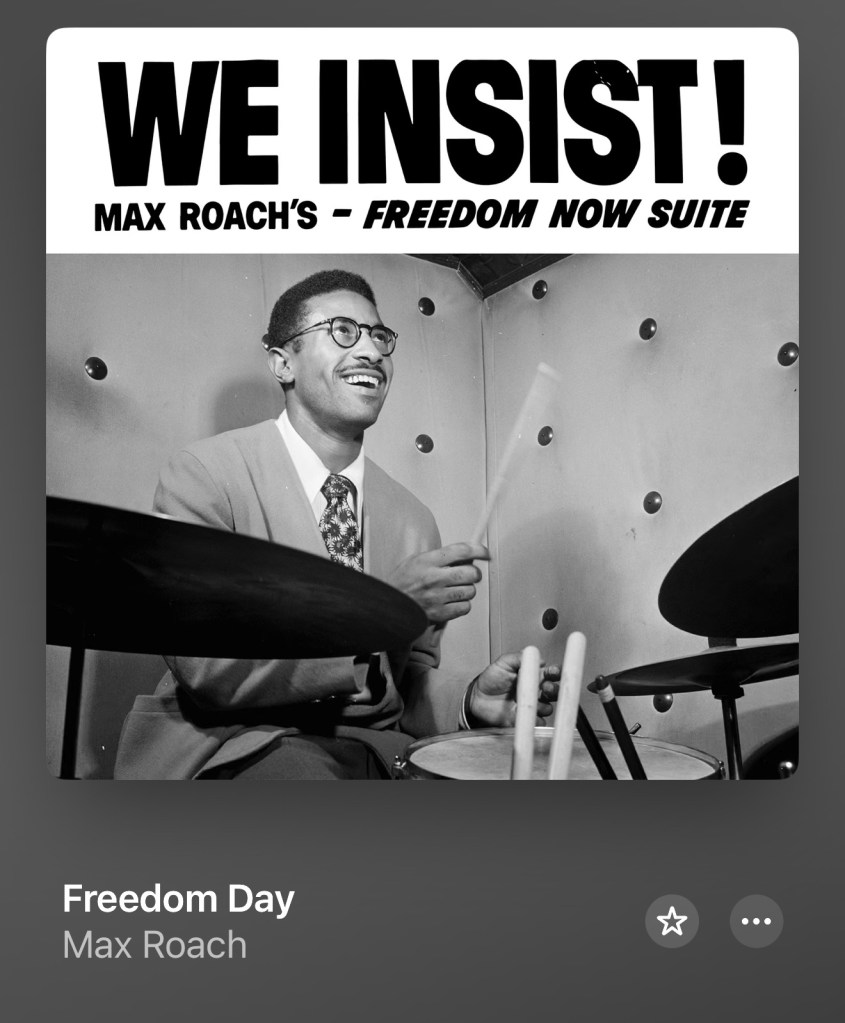
The film opens with, and returns to, the moment in February 1961 when singer Abbey Lincoln, drummer Max Roach, writer Maya Angelou, and 57 other protesters disrupted a meeting of the UN Security Council to protest Lumumba’s murder.


Leave a comment